How to Plan and Build Residential Concrete Patios in Ontario
When I first started working with concrete in Norfolk County, I learned pretty quickly that a patio is not just a slab. It is an outdoor room, a foundation for patio furniture, a place where kids draw chalk circles and adults sip coffee on Saturday mornings. Over the years I have seen homeowners make the same mistakes again and again: picking a colour from a brochure without seeing it in natural light, pouring concrete when the ground is too wet, skipping the sealer to save a few dollars. Those mistakes cost more in the long run. So I want to walk through what actually matters when you plan a residential concrete patio in Ontario, especially for anyone living in a place like Norfolk County where the freeze-thaw cycle is part of life.
Why Concrete Works for Patios in This Climate
Ontario weather is not easy on outdoor surfaces. We get hot, humid summers, then sudden freezes in late autumn, then snow and salt, then a slow muddy thaw. A concrete patio that is properly designed and installed handles that cycle better than almost any other material. The key is getting the mix right, using rebar reinforcement, and making sure the crew knows what they are doing. That is why I always recommend working with a Union-Certified Crew. It is not just about labour rules; it means the people on the job have formal training in concrete finishing, curing, and safety. They understand how to handle ready-mix concrete when the temperature drops, and they know when to stop pouring because the forecast calls for rain.
When I talk to homeowners about residential concrete patios Ontario, I remind them that the patio is part of a bigger system. The same crew that pours a concrete driveway can handle the patio, and if you already need Foundation Repair on your house, it makes sense to coordinate that work at the same time. That saves money and avoids having heavy equipment tear up your yard twice.
Design Choices That Actually Matter
A plain grey slab is fine if that is what you want, but most people want something that looks good with their house and yard. That is where stamped concrete and exposed aggregate come in. Stamped concrete uses a concrete saw or textured mats to create patterns that look like stone, brick, or slate. Exposed aggregate shows the small stones in the mix, giving a textured, slip-resistant surface. Both options require skill. If the stamping is done too early or too late, the pattern blurs. If the aggregate is exposed unevenly, the surface looks patchy.
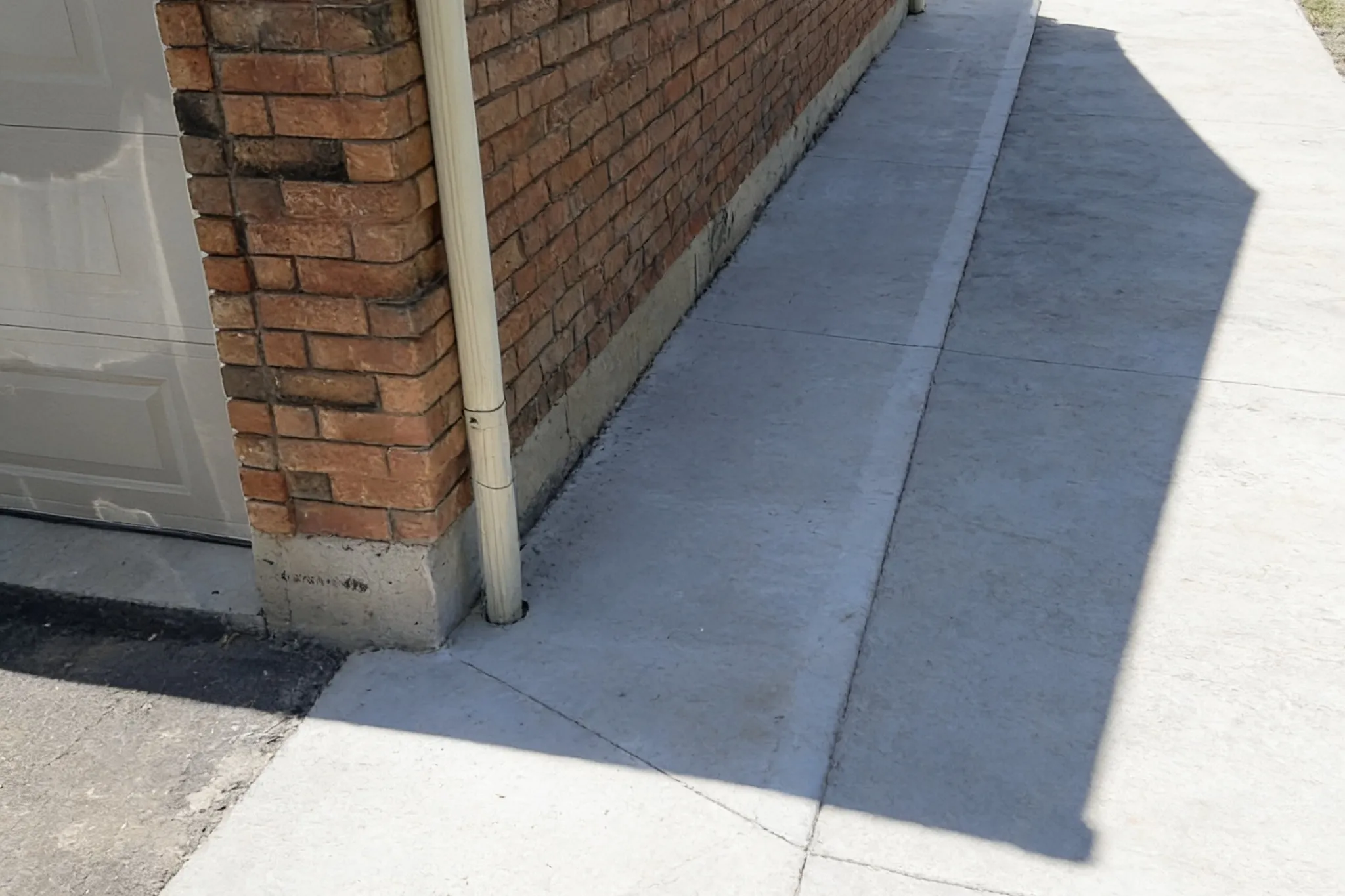
Concrete colour is another decision that people overthink. You can use integral colour mixed into the ready-mix concrete, or you can apply a concrete stain after the pour. Integral colour gives a consistent tone all the way through, which means chips and scratches are less visible. Concrete stain gives a more varied, natural look, but it sits on the surface and needs to be maintained. I have seen both work beautifully, and I have seen both fail when the homeowner skipped the concrete sealer. A good sealer protects the colour from UV fading and makes the surface easier to clean. Plan to reseal every two or three years, depending on how much sun and foot traffic the patio gets.
Thinking About Layout and Drainage
Patio design is not just about the surface finish. It is about how water moves. In Norfolk County, the soil can be heavy clay in some spots and sandy in others. If you pour a patio without grading it away from the house, water will pool against the foundation. That leads to cracks, heaving, and eventually Foundation Repair. A good contractor will use a concrete saw to cut control joints at the right spacing, so that any cracking happens along straight lines where it is less noticeable. They will also slope the patio about a quarter-inch per foot away from the house. That slope is barely visible to the eye, but it makes a huge difference during a spring thaw.
Practical Details from Real Jobs
I watched a crew pour a patio last October in a neighbourhood near Simcoe. The ground temperature was already dropping, so they used hot water in the ready-mix concrete and added an accelerator to help it set before the frost hit. They also laid the rebar reinforcement on plastic chairs to keep it lifted off the ground, which prevents rust from starting at the bottom of the slab. That kind of attention to detail is what separates a patio that lasts ten years from one that lasts thirty.
Another thing I see homeowners forget is the curing process. Concrete does not just dry; it cures. That chemical reaction needs moisture. If you let the surface dry out too fast, it will crack and dust. The crew should cover the fresh slab with wet burlap or a curing compound, and you should keep foot traffic off it for at least three days, longer if the weather is hot and windy. Patio furniture should stay off for at least a week. I know it is tempting to put the chairs out right away, but patience pays off.
Cost and Getting a Free Quote
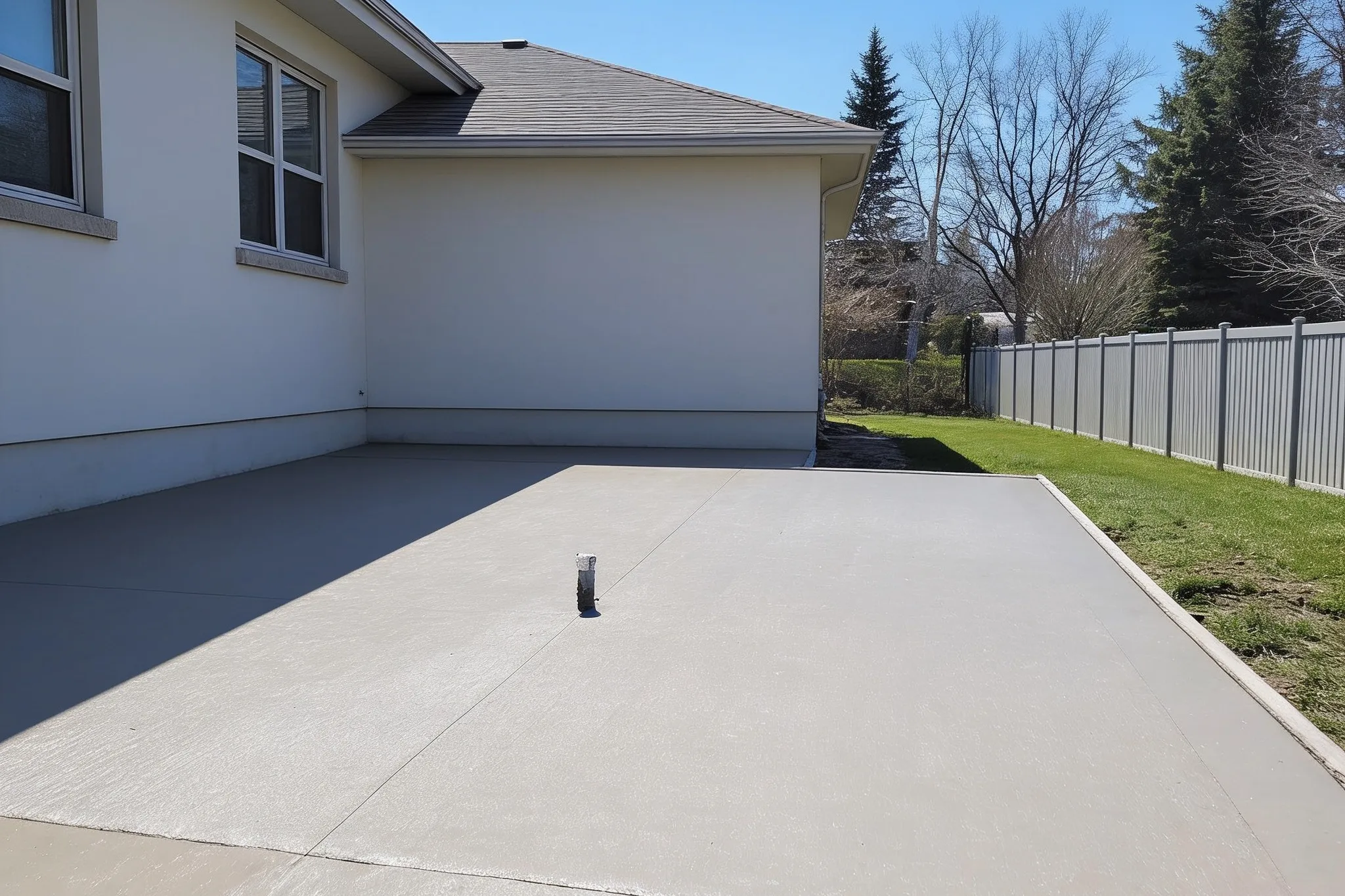
Every job is different, so the only way to know what your patio will cost is to get a free quote from a contractor who visits your site. A good quote will include the cost of excavation, the base material, the concrete mix, the rebar reinforcement, the finishing labour, and the sealer. It should also spell out how they handle drainage and what happens if they hit unexpected rock or roots. I always tell people to get at least three quotes, and to look for someone who is a member of the Concrete Contractors Association. That membership is not a guarantee, but it shows the contractor is serious about standards and insurance.
For anyone searching for residential concrete patios Ontario, the price range varies depending on the finish. A basic broom finish is the cheapest. Stamped concrete costs more because of the labour and the mats. Exposed aggregate sits somewhere in the middle. The best approach is to decide what look you want, then find a contractor who has done that specific type of work before. Ask to see photos of their recent patios, not just driveways. Driveways are simpler because they are flat and you do not care as much about the finish. A patio is where you sit and look at the surface, so it needs to be nicer.
Maintenance That Actually Works
Once your concrete patio is installed and cured, a little maintenance goes a long way. Sweep off debris regularly so that dirt does not grind into the surface. Clean spills quickly, especially oil or grease from a barbecue. If you used a concrete stain, test any cleaner in a hidden spot first. Reapply the concrete sealer every couple of years, and watch for cracks wider than a hairline. If you catch them early, you can fill them with a flexible caulk made for concrete. Ignore them, and water gets in, freezes, and makes the crack larger.
I have seen patios that still look great after twenty years because the owner took care of them. I have also seen patios that looked terrible after five years because the wrong mix was used or the sealer was skipped. The difference is almost always in the preparation and the crew, not in the concrete itself.
Final Thoughts from Experience
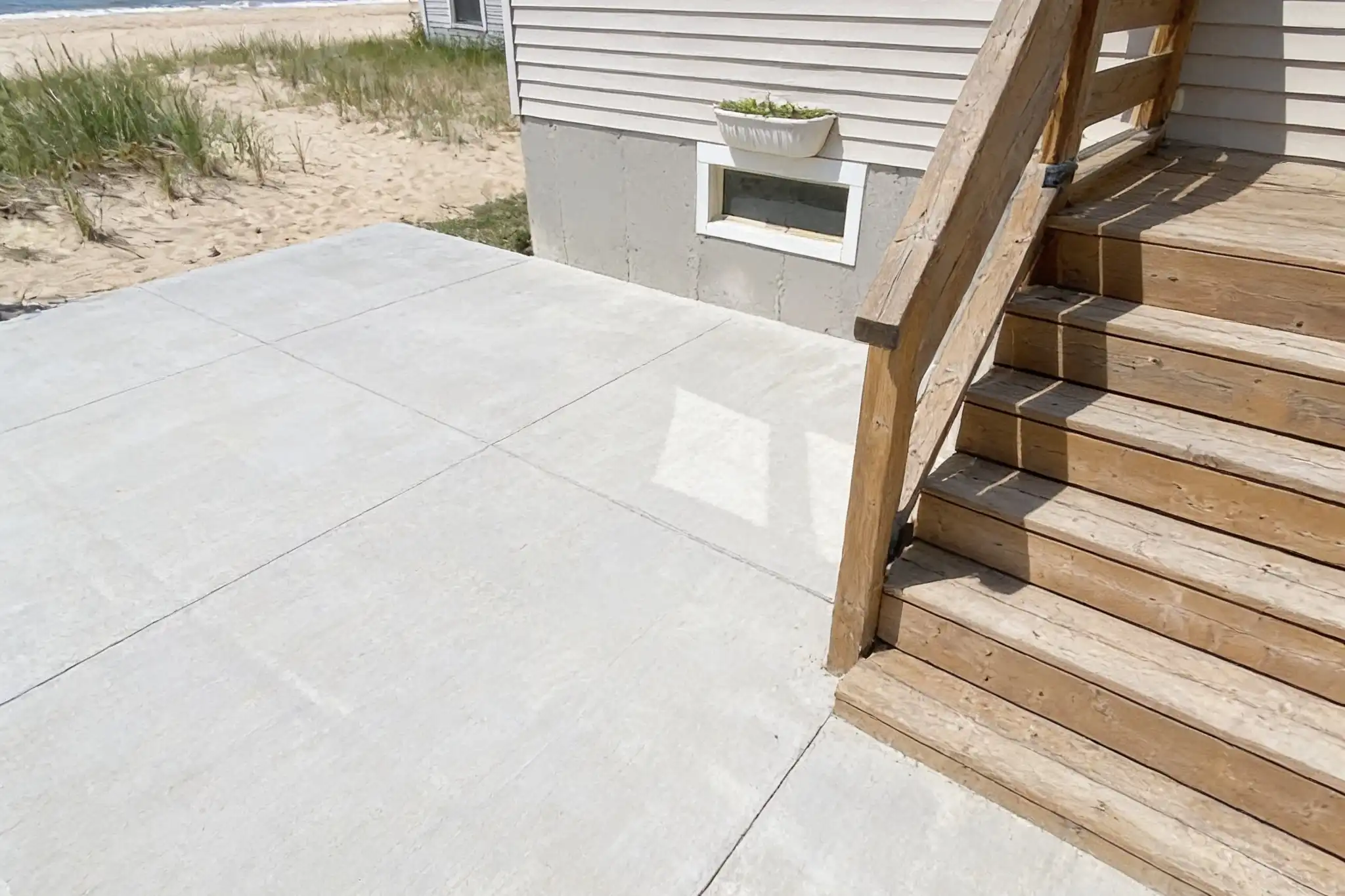
Building a residential concrete patio in Ontario is not complicated, but it does require good decisions at every step. Choose a contractor who uses rebar reinforcement, knows how to handle ready-mix concrete in our climate, and belongs to a professional association like the Concrete Contractors Association. Think about the finish early, and budget for a concrete sealer. Give the concrete time to cure before you set out the patio furniture. And if you are in Norfolk County, take advantage of the local contractors who understand the soil and the weather here. A well-built patio adds real value to your home and gives you a solid place to enjoy the summer.